Seoul vs Tokyo: Which City Should You Visit First?
Published on March 24, 2026 by TwinRabbit Team
Deciding between Seoul vs Tokyo for your next Asian adventure can be tough, but the choice often comes down to personal travel style and what you seek from a city. Seoul offers a dynamic, fast-paced cultural immersion with incredible food and modern aesthetics, while Tokyo presents a unique blend of ancient tradition and futuristic innovation. Each city provides an unforgettable experience, making your visit truly special.
In This Guide:
- Seoul vs Tokyo: The Vibe Check
- Cultural Deep Dive: Tradition Meets Modernity
- Foodie Showdown: What to Eat Where
- Getting Around: Public Transport & Walkability
- Budgeting Your Trip: Costs Compared
- Nightlife & Entertainment: After Dark Fun
- Accommodation: Where to Stay
- Twin Rabbit Connection
- Pro Tips
- Frequently Asked Questions
- Wrap Up
Seoul vs Tokyo: The Vibe Check
Honestly, this is where Seoul and Tokyo really start to differentiate themselves, beyond just geography. While both are massive, bustling metropolises, their energies feel distinct from the moment you step off the plane. It’s like comparing two different genres of a high-energy song.
Seoul, to me, pulsates with a raw, gritty, and incredibly fast-paced energy. It’s a city that’s constantly evolving, tearing down the old and building the new, sometimes overnight. You feel the urgency, the ambition, and the youthful spirit everywhere, from the fashion to the late-night dining scene.
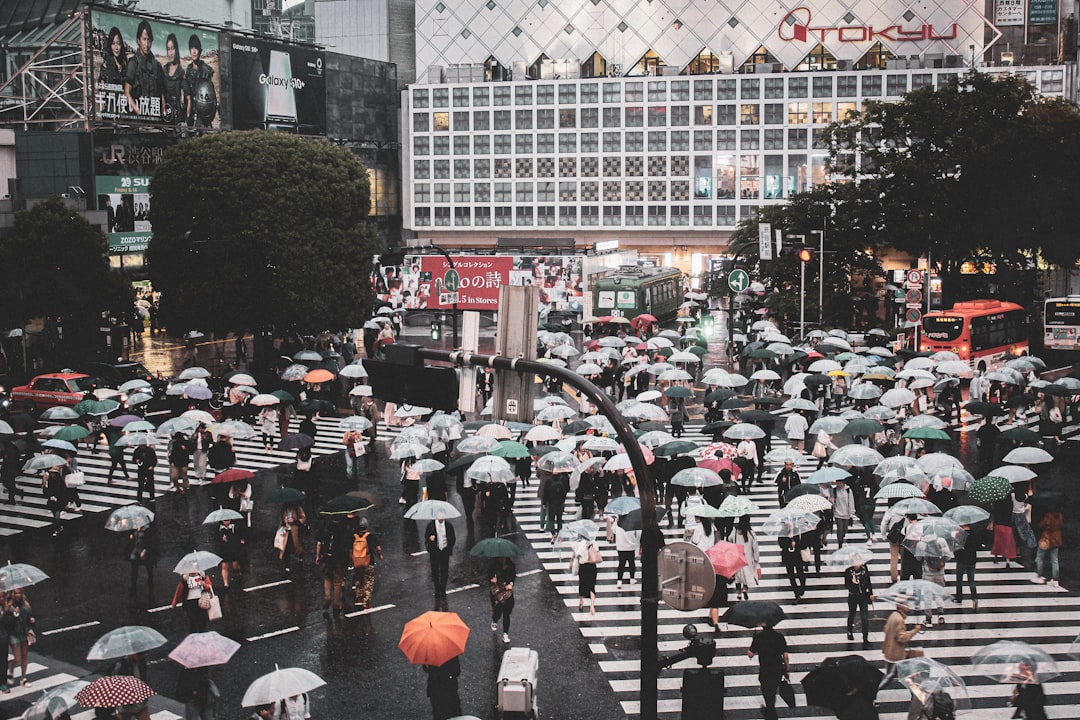
Tokyo, on the other hand, feels more polished and meticulously organized. There’s still an incredible buzz, especially in areas like Shibuya or Shinjuku, but it’s a more refined, almost choreographed kind of chaos. Everything runs like clockwork, and there's a deep respect for both tradition and cutting-edge design.
Quick Info: Vibe Summary Seoul: Dynamic, fast-paced, youth-driven, raw energy, ever-changing. Tokyo: Polished, organized, refined, futuristic with deep traditional roots, meticulous.
If you love the feeling of being at the forefront of trends, surrounded by edgy street style and a palpable sense of innovation, Seoul will probably resonate more with you. It’s a city that challenges you in the best way, inviting you to dive in headfirst. Trust me, there's always something new to discover.
Meanwhile, if you appreciate a seamless, almost serene travel experience where efficiency is king and aesthetic beauty is paramount, Tokyo might be your dream destination. It’s a city that mesmerizes with its precision and its ability to blend the ancient with the ultra-modern so gracefully. Both cities offer incredible experiences, but their core personalities are quite different.
Cultural Deep Dive: Tradition Meets Modernity
Both Seoul and Tokyo are masters at blending ancient traditions with hyper-modernity, but they do it in subtly different ways. Here's the thing: Seoul often presents its past alongside its future, sometimes even crashing into it, creating a unique urban tapestry. You can wander through a centuries-old palace and then just steps away, find yourself in a futuristic shopping mall.
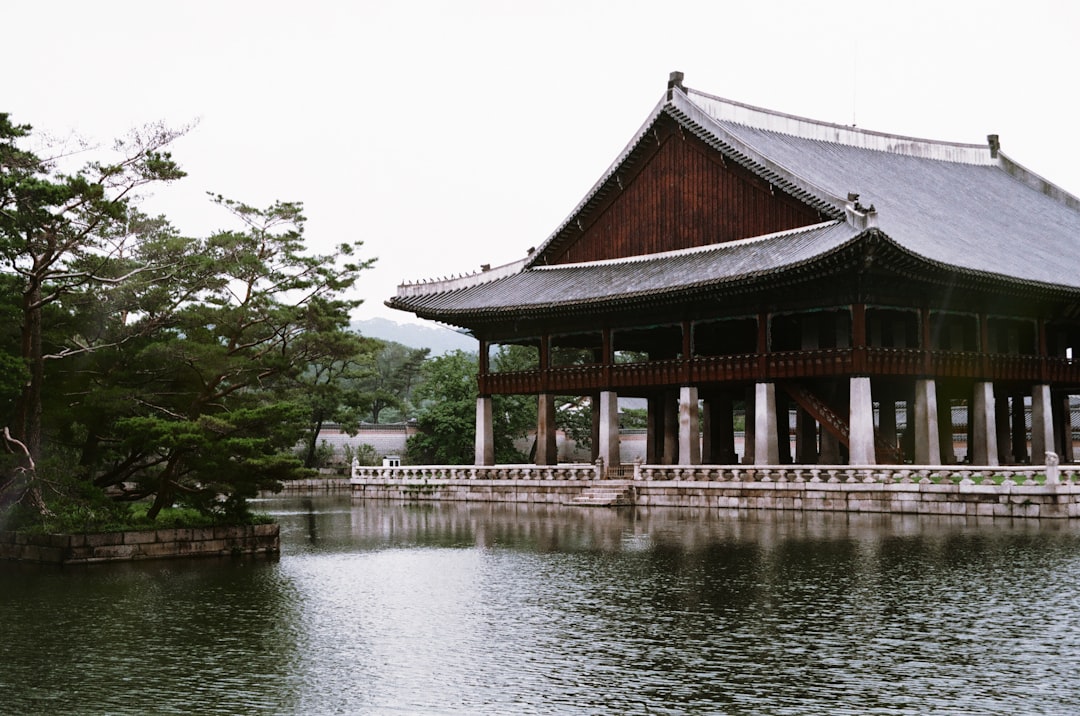
Think about places like Gyeongbokgung Palace (Line 3, Anguk Station, Exit 1) in Seoul. You're surrounded by majestic Joseon Dynasty architecture, yet the Namsan Tower and towering skyscrapers are visible in the background. Or Bukchon Hanok Village, where traditional Korean houses sit nestled between modern cafes and boutiques. This juxtaposition is everywhere and defines much of the Seoul vs Tokyo cultural experience.
Tokyo’s approach feels more compartmentalized, in a beautiful way. You have areas like Asakusa, home to the Senso-ji Temple, which transports you back in time with its Edo-era charm. Then you can hop on a train and be in Shibuya, a dazzling hub of consumerism and youth culture, in minutes. The shift can be quite dramatic, almost like stepping into a different world.
Traditional Experiences
-
Seoul:
- Palace Hopping: Explore Gyeongbokgung, Changdeokgung (with its secret garden, Huwon), and Changgyeonggung. Entry is around ₩3,000 (approx. $2.50 USD) per palace, or a combined ticket for ₩10,000 (~$8 USD).
- Hanbok Rental: Don a traditional Korean dress for stunning photos around the palaces. Rentals start from ₩15,000-25,000 ($12-20 USD) for 4 hours.
- Bukchon Hanok Village: Wander through these beautifully preserved traditional houses. It's free to explore, but remember to be respectful of residents.
- Insadong: A traditional street market for souvenirs, tea houses, and art galleries. Don't skip this for unique Korean crafts.
-
Tokyo:
- Senso-ji Temple (Asakusa): Tokyo's oldest temple, a vibrant experience with Nakamise-dori market leading up to it. It’s free to enter the grounds.
- Meiji Jingu Shrine (Harajuku): A serene oasis dedicated to Emperor Meiji and Empress Shoken. Free entry, peaceful forested grounds.
- Ryogoku (Sumo District): Catch a sumo practice or visit the Edo-Tokyo Museum. Sumo tickets during tournaments can be pricey, starting from ¥3,800 (approx. $25 USD) for nosebleed seats.
- Tea Ceremonies: Experience a traditional Japanese tea ceremony in various locations like Hamarikyu Gardens or private tea houses, often starting from ¥3,000-5,000 ($20-35 USD).
Modern Marvels
-
Seoul:
- Dongdaemun Design Plaza (DDP): Zaha Hadid’s iconic architectural masterpiece, a hub for fashion, design, and events.
- Gangnam District: Explore K-Pop entertainment agencies, high-end shopping, and vibrant nightlife.
- Starfield Library (COEX Mall): A stunning, Instagram-famous library with towering bookshelves.
- Hongdae & Yeonnam-dong: Youth culture, street art, indie shops, and cafes. This area perfectly encapsulates modern Seoul.
-
Tokyo:
- Shibuya Crossing: The iconic, chaotic scramble intersection. Grab a coffee at Starbucks for a prime viewing spot.
- Shinjuku Gyoen National Garden: A beautiful blend of traditional Japanese, English, and French gardens, nestled amongst skyscrapers. Entry is ¥500 (approx. $3.30 USD).
- TeamLab Planets or Borderless: Immersive digital art museums that are truly mind-bending. Tickets are around ¥3,200-3,800 ($21-25 USD).
- Akihabara: The electric town, a haven for anime, manga, and electronics enthusiasts.
Ultimately, both offer deep dives into fascinating cultures. Seoul feels like a living, breathing fusion, while Tokyo provides more distinct windows into different eras. It really depends on whether you prefer your history and future intertwined or presented in beautifully distinct chapters.
Foodie Showdown: What to Eat Where
Okay, let's talk about the most important thing: food. Choosing between the food scenes of Seoul vs Tokyo is like asking me to pick a favorite child – it's practically impossible! Both cities are culinary powerhouses, offering incredible depth and variety, but with very different flavors and experiences.
Here's the thing about Seoul food: it's bold, often spicy, communal, and incredibly comforting. Korean food is designed to share, to warm you from the inside out, and to surprise you with its fermented tangs and rich umami. Eating here is an adventure for your taste buds, from sizzling Korean BBQ to spicy tteokbokki.
Tokyo’s food scene is famous for its precision, artistry, and incredible diversity, especially when it comes to specific genres like sushi, ramen, and tempura. It's often about perfecting one dish to an art form. The attention to detail, from preparation to presentation, is simply unparalleled.
Seoul's Must-Try Food Experiences
- Korean BBQ (Samgyeopsal, Galbi): This is non-negotiable. Find a bustling spot like Hongdae or Sinchon. Expect to pay around ₩15,000-25,000 ($12-20 USD) per person for a good cut of meat. Don't skip this.
- Street Food Extravaganza: Myeongdong and Gwangjang Market are iconic.
- Tteokbokki: Spicy rice cakes (₩4,000-6,000 / $3-5 USD).
- Gyeranppang: Egg bread (₩2,000 / $1.60 USD).
- Hotteok: Sweet pancake (₩2,000 / $1.60 USD).
- Mayak Gimbap (Gwangjang Market): "Drug gimbap" (so addictive!), ₩5,000 ($4 USD) per plate.
- Bibimbap & Kimchi Jjigae: Everyday staples, find them at almost any Korean restaurant for around ₩8,000-12,000 ($6-10 USD).
- Chimaek (Chicken & Beer): A national obsession. Many places deliver, but going to a restaurant like Kyochon Chicken is an experience. A whole chicken costs about ₩18,000-25,000 ($15-20 USD).
- Cafes: Seoul's cafe culture is legendary. Explore themed cafes in Hongdae or aesthetically pleasing spots in Seongsu-dong.
Quick Info: Gwangjang Market Address: 88 Changgyeonggung-ro, Jongno 4(sa)-ga, Jongno-gu, Seoul Google Maps Hours: Daily 9:00 AM - 6:00 PM (some food stalls open later) Price: Very affordable, most dishes ₩5,000-10,000 ($4-8 USD) Nearest Station: Jongno 5(o)-ga Station (Line 1), Exit 8
Tokyo's Must-Try Food Experiences
- Sushi/Sashimi: From Michelin-starred omakase to conveyor belt sushi, Tokyo is the world capital. Tsukiji Outer Market or Toyosu Market (for auctions) are great spots. Conveyor belt sushi can be as low as ¥100-300 ($0.70-2 USD) per plate.
- Ramen: So many regional styles! Ichiran, Afuri, or Tsuta (Michelin-starred) are famous. A bowl of ramen usually costs ¥800-1,500 ($5.50-10 USD).
- Tempura & Soba/Udon: Delicate fried dishes and comforting noodle soups. Look for specialized shops for the best experience.
- Izakaya Dining: Japanese pubs offering small plates (yakitori, gyoza, edamame) and drinks. A great way to try many things. Expect to spend ¥3,000-5,000 ($20-35 USD) per person.
- Vending Machine Food/Convenience Store Food: Seriously, don't underestimate the quality of a Lawson or FamilyMart bento box or onigiri. It’s cheap and surprisingly good.
When it comes to the raw power of flavor and communal dining, Seoul shines. For refined culinary artistry and incredible diversity within specific dish categories, Tokyo is hard to beat. If you love spicy, fermented, and communal, Seoul wins. If you're all about precision, raw fish, and delicate flavors, Tokyo is your spot.
Getting Around: Public Transport & Walkability
Navigating a new city can be daunting, but both Seoul and Tokyo boast some of the best public transportation systems in the world. Seriously, they are models of efficiency and cleanliness. The debate of Seoul vs Tokyo transportation comes down to slight nuances.
In Seoul, the subway system is incredibly comprehensive, covering almost every corner of the city and beyond. It's clean, punctual, and well-signposted in English. Trust me, Google Maps is your best friend here. A single ride typically costs around ₩1,250-1,550 (approx. $1-1.20 USD) with a T-Money card. Buses are also excellent, connecting areas the subway doesn't reach as directly.
Tokyo’s public transport is legendary for its punctuality and vast network. The Tokyo Metro and JR lines crisscross the city, making every major attraction easily accessible. It can be a bit more complex due to multiple operators, but once you get the hang of it, it's incredibly efficient. A single ride often costs ¥170-300 (approx. $1.10-2 USD). For tourists, the Japan Rail Pass or a Tokyo Subway Ticket can offer good value.
Subway & Bus Systems
-
Seoul:
- T-Money Card: Essential for seamless travel. Purchase at any convenience store or subway station. Load it up and tap on/off.
- Subway Lines: Numbered 1-9, plus various express and regional lines. Color-coded for easy navigation.
- Buses: Green (local), Blue (main routes), Red (express/intercity). Google Maps gives accurate real-time bus info.
- Walkability: Many popular neighborhoods like Hongdae, Yeonnam-dong, Insadong, and Myeongdong are very walkable once you're in the area. Expect some hills, though!
-
Tokyo:
- IC Cards (Suica/Pasmo): Similar to T-Money, these are rechargeable cards for all public transport.
- Train Lines: JR (Japan Railways) lines (Yamanote Line is a famous loop) and various private subway lines (Tokyo Metro, Toei Subway).
- Walkability: Excellent, particularly within specific districts. Many stations connect directly to underground shopping malls and complexes, minimizing outdoor exposure in bad weather.
Honestly, both cities are incredibly easy to navigate without a car. The real difference might be in the sheer scale of Tokyo's network, which can feel a bit overwhelming initially, compared to Seoul's slightly more straightforward system. You'll spend more time walking in both cities than you might expect, so comfortable shoes are a pro tip here.
Budgeting Your Trip: Costs Compared
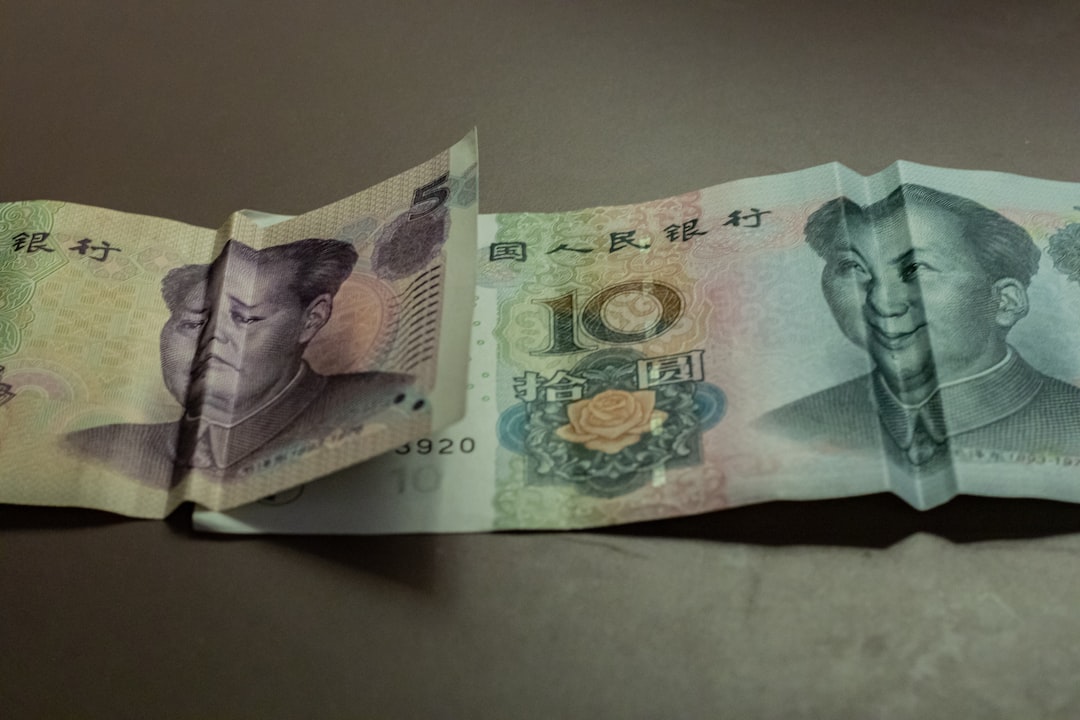
Let's talk money, because for many, the cost of travel in Seoul vs Tokyo is a major deciding factor. Neither city is exactly "cheap" compared to Southeast Asia, but they offer good value for world-class experiences. Generally speaking, Tokyo tends to be slightly more expensive than Seoul, especially for accommodation and some dining experiences.
Here's a breakdown of what you might expect for a mid-range traveler. Keep in mind, prices fluctuate with exchange rates and your personal spending habits.
Average Daily Costs (Mid-Range Traveler)
| Category | Seoul (₩ / USD) | Tokyo (¥ / USD) |
|---|---|---|
| Accommodation | ₩70,000-150,000 / $55-120 | ¥10,000-20,000 / $65-135 |
| Food | ₩30,000-60,000 / $25-50 | ¥4,000-8,000 / $25-55 |
| Transport | ₩5,000-10,000 / $4-8 | ¥1,000-1,500 / $7-10 |
| Activities | ₩15,000-30,000 / $12-25 | ¥2,000-5,000 / $15-35 |
| Total Daily | ₩120,000-250,000 / $95-200 | ¥17,000-34,500 / $110-235 |
Accommodation Costs
- Seoul: You can find decent guesthouses and budget hotels in areas like Hongdae, Myeongdong, or Insadong for ₩50,000-80,000 ($40-65 USD) per night. Mid-range hotels are typically ₩100,000-150,000 ($80-120 USD).
- Tokyo: Hotel rooms in Tokyo are notoriously smaller and often a bit pricier. Budget hotels and business hotels might start at ¥8,000-12,000 ($55-80 USD). Mid-range options often hover around ¥15,000-25,000 ($100-170 USD). Capsule hotels are a unique and budget-friendly option, sometimes as low as ¥3,000 ($20 USD).
Food & Drink Costs
- Seoul: Street food is a lifesaver, and local restaurants offer fantastic value. Expect to pay ₩8,000-15,000 ($6-12 USD) for a casual meal. Coffee is around ₩4,000-6,000 ($3-5 USD). Alcohol can be affordable, with a bottle of soju at ₩5,000-7,000 ($4-6 USD) in a restaurant.
- Tokyo: While there are budget options like ramen and convenience store meals, fine dining or even mid-range sushi can add up. Expect ¥1,000-2,000 ($7-14 USD) for a casual meal. Coffee is around ¥400-600 ($2.70-4 USD). Alcohol in bars can be quite expensive.
Honestly, if budget is a tight concern, Seoul generally offers better value without sacrificing quality or experience. You can stretch your won further, especially when it comes to food and unique local experiences. The choice of Seoul vs Tokyo heavily leans towards Seoul if you're trying to save a few bucks.
Nightlife & Entertainment: After Dark Fun
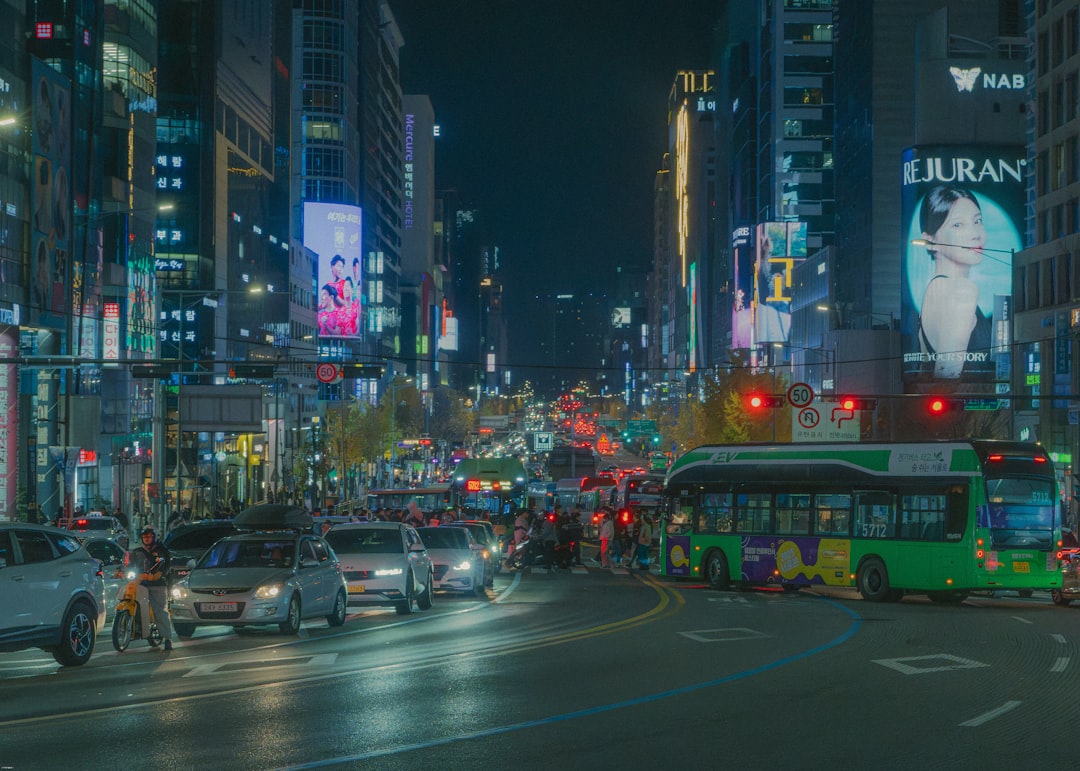
Both Seoul and Tokyo really come alive after dark, offering distinct and exhilarating nightlife experiences. If you're looking for a vibrant evening, you won't be disappointed by either, but they cater to slightly different tastes.
Seoul's nightlife is famously energetic, diverse, and often goes until the sun comes up. From trendy clubs in Gangnam to indie bars in Hongdae and the foreigner-friendly vibe of Itaewon, there's a scene for everyone. Koreans love to drink and socialize, and this is reflected in the numerous pojangmacha (street food tents) and lively bars.
Tokyo’s nightlife, while equally diverse, often feels more segmented. You have the dazzling neon-lit streets of Shinjuku's Kabukicho, the more sophisticated cocktail bars of Ginza, and the niche underground clubs of Shibuya. It can be a bit more expensive, but the quality and variety of experiences are top-notch.
Seoul's Nightlife Highlights
- Hongdae: Youthful, energetic, and home to indie clubs, live music venues, and street performances. Great for budget-friendly fun.
- Itaewon: Known for its international crowd, diverse bars, and clubs. Good for pub crawling.
- Gangnam: Upscale clubs, bottle service, and a more glamorous scene. Expect higher prices here.
- Soju & Makgeolli Bars: Experience traditional Korean alcoholic beverages in a relaxed setting.
- Noraebang (Karaoke): A national pastime! You can rent private rooms for hours. Don't skip this. Prices vary by hour, starting from ₩15,000-30,000 ($12-25 USD) for an hour, usually including some drinks.
Quick Info: Hongdae Area Location: Centered around Hongik University Nearest Station: Hongik University Station (Line 2, AREX, Gyeongui-Jungang Line), Exits 9, 8, 7 Vibe: Youthful, artistic, vibrant nightlife, street art, indie music Pro Tip: Explore the alleyways for hidden gems and unique cafes.
Tokyo's Nightlife Highlights
- Shinjuku (Kabukicho & Golden Gai): Kabukicho is the famous red-light district with neon lights and bustling streets. Golden Gai is a warren of tiny, atmospheric bars (some with cover charges).
- Shibuya: Home to major nightclubs, bars, and the famous Shibuya Crossing. Great for dancing.
- Roppongi: International clubs and bars, generally catering to a more expat crowd.
- Izakaya Dining: These traditional Japanese pubs are a fantastic way to enjoy food and drinks late into the night.
- Karaoke: Very popular, with chains like Big Echo or Karaoke Kan offering private rooms. Similar pricing to Seoul, but sometimes with a per-person charge.
Overall, if you're looking for an affordable, high-energy, and often spontaneous night out with a strong emphasis on group socializing, Seoul is probably your jam. If you prefer a slightly more curated experience, from speakeasy cocktails to themed clubs, and don't mind spending a bit more, Tokyo has an incredible array of options. Both offer unforgettable nights out, but with different flavors.
Accommodation: Where to Stay
Choosing where to stay can significantly impact your experience in both Seoul and Tokyo. Both cities offer a vast range of accommodation options, from budget-friendly guesthouses to luxurious five-star hotels. However, the size and layout of rooms, especially at the budget and mid-range level, can differ noticeably.
In Seoul, you often find more spacious rooms for your money compared to Tokyo, particularly in guesthouses or airbnbs. Neighborhoods like Hongdae, Myeongdong, and Insadong are popular with tourists for their accessibility and vibrant atmospheres. For a more local, trendy vibe, Yeonnam-dong or Seongsu-dong are excellent choices.
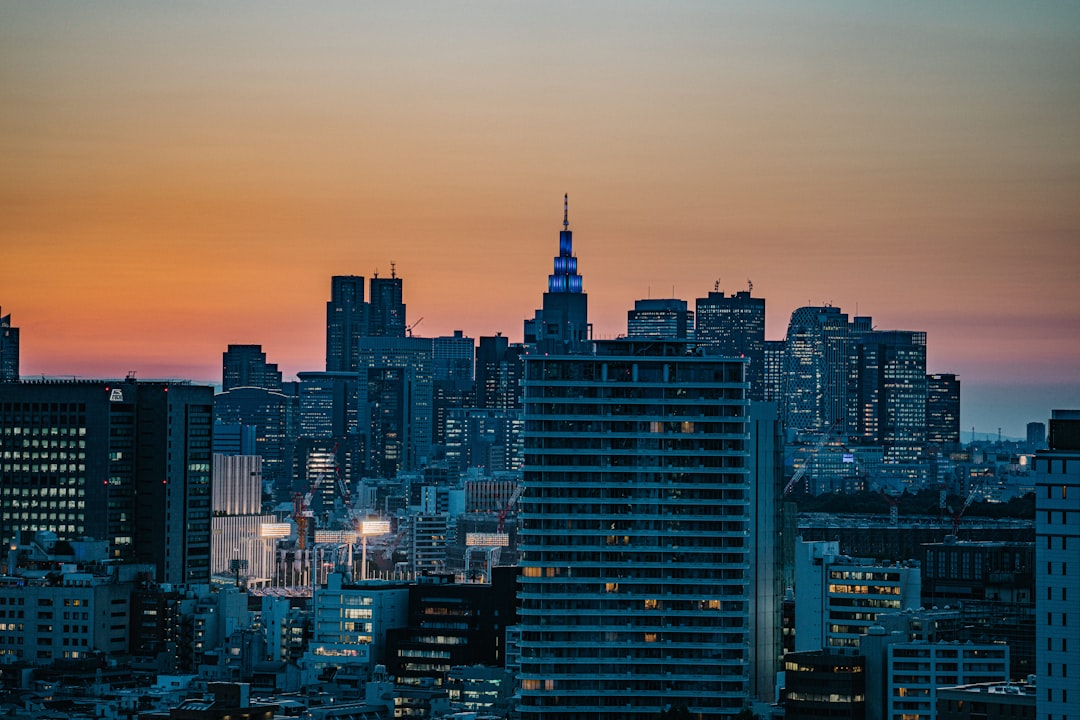
Tokyo accommodation is known for its efficiency in space utilization. Rooms can be compact, even in mid-range hotels, but they are almost always immaculately clean and incredibly functional. Popular areas for tourists include Shinjuku, Shibuya, Ginza, and Asakusa, each offering a distinct feel and proximity to attractions.
Seoul Accommodation Spots
- Hongdae/Yeonnam-dong: My personal favorite. Bustling, youthful, great food, cafes, and easy access to Line 2 and AREX. Perfect for first-timers and repeat visitors alike.
- Myeongdong: Central, excellent for shopping, and close to major tourist sites. Can be a bit touristy, but very convenient.
- Insadong/Jongno: Best for experiencing traditional culture, close to palaces and traditional markets. More relaxed vibe.
- Gangnam: Upscale, modern, great for luxury shopping and high-end dining. Connected by Line 2 and Sinnonhyeon Station (Line 9).
Tokyo Accommodation Spots
- Shinjuku: Excellent transport hub, vibrant nightlife, great for shopping, and a wide range of hotels.
- Shibuya: Trendy, energetic, perfect for shopping, dining, and nightlife. Great for younger travelers.
- Ginza: Upscale, luxurious, high-end shopping and dining. More quiet and refined.
- Asakusa: Traditional charm, close to temples and historical sites. Good for a more cultural stay.
- Ueno: Home to several museums and a large park, good for families and culture buffs. Well-connected.
When considering Seoul vs Tokyo for accommodation, think about your priorities. If you value more space and a slightly lower price point for a similar quality, Seoul might be more appealing. If you prioritize extreme efficiency, impeccable service, and don't mind smaller rooms, Tokyo offers a fantastic range, albeit often at a premium. Both cities have amazing options, it just comes down to your budget and what kind of space you prefer.
Twin Rabbit Connection
If you're leaning towards Seoul and looking for a fantastic base to explore the city's vibrant energy, especially around the Hongdae and Yeonnam-dong areas, Twin Rabbit Guest House is a solid choice. It's nestled in the heart of Mapo-gu, offering easy access to the subway and all the cool cafes, shops, and nightlife that make this neighborhood so special. Staying here puts you right in the middle of authentic Seoul life, away from the overly touristy spots but still incredibly convenient.
Pro Tips
Here are a few insider tips to make your Seoul vs Tokyo trip even smoother:
- Learn Basic Phrases: Even a few words like "hello," "thank you," and "excuse me" in Korean (Annyeonghaseyo, Gamsahamnida, Joesonghamnida) or Japanese (Kon'nichiwa, Arigato, Sumimasen) go a long way. Locals truly appreciate the effort.
- Download Offline Maps: Google Maps works well in both cities for navigation, but having an offline version downloaded is a lifesaver when you lose signal or don't have Wi-Fi. Naver Maps or Kakao Maps are better for Seoul's bus routes.
- Get a T-Money/IC Card Immediately: Seriously, these rechargeable cards (T-Money for Seoul, Suica/Pasmo for Tokyo) make public transport, and even some convenience store purchases, incredibly seamless. You can buy them at major subway stations or convenience stores.
- Embrace Convenience Stores: Both countries have amazing convenience stores (GS25, CU in Korea; 7-Eleven, Lawson, FamilyMart in Japan). They're fantastic for quick, affordable, and surprisingly good meals, snacks, and drinks. They're also where you can often top up your transport cards.
- Pack Comfortable Shoes: You will do a lot of walking in both Seoul and Tokyo, navigating vast subway stations, exploring neighborhoods, and wandering through markets. Prioritize comfort over fashion for your footwear.
Frequently Asked Questions
Q: Is Seoul or Tokyo more expensive for travelers?
Generally, Tokyo tends to be slightly more expensive than Seoul, particularly for accommodation and some dining experiences. While both cities can be pricey, Seoul often offers better value for money in terms of hotel room size, food, and nightlife options, allowing your budget to stretch further.
Q: Which city is better for first-time visitors to Asia, Seoul vs Tokyo?
Both cities are excellent choices for first-time visitors due to their safety, efficient public transport, and widespread English signage in tourist areas. However, Seoul might feel a bit more approachable and lively for some, while Tokyo offers a highly polished, incredibly efficient, and diverse experience that is truly unique. It largely depends on what kind of "first impression" you're seeking.
Q: Is Seoul or Tokyo safer?
Both Seoul and Tokyo are incredibly safe cities, consistently ranking among the safest in the world. Crime rates are very low, and solo travelers, including women, can feel comfortable exploring at any time of day or night. Petty crime is rare, but it's always wise to be aware of your surroundings, just as you would anywhere.
Q: Which city has better food, Seoul vs Tokyo?
This is a tough one and highly subjective! Tokyo is renowned globally for its refined culinary scene, especially sushi, ramen, and Michelin-starred dining. Seoul, on the other hand, boasts a vibrant, bold, and communal food culture centered around Korean BBQ, spicy stews, and a fantastic street food scene. It depends on whether you prefer precision and artistry (Tokyo) or bold flavors and communal dining (Seoul).
Q: How many days do you need in Seoul vs Tokyo?
For a good introduction to either city, I'd recommend a minimum of 5-7 full days. This allows enough time to explore key neighborhoods, visit major attractions, and truly soak in the atmosphere without feeling rushed. If you want to include day trips or explore more extensively, 7-10 days would be even better for both Seoul and Tokyo.
Wrap Up
Whether you choose Seoul or Tokyo, you're guaranteed an unforgettable adventure. The decision truly comes down to what kind of vibe and experiences you're craving for your trip to Asia.