Seoul on a Budget: How to Spend Under $50 a Day
Published on March 13, 2026 by TwinRabbit Team
Thinking Seoul is an expensive city? Think again! Seoul budget travel is absolutely achievable, and you can easily enjoy this dynamic city for under $50 USD (around ₩65,000-₩70,000) a day by focusing on smart accommodation choices, delicious street food, efficient public transport, and abundant free activities. This guide will show you how to experience Seoul like a local without breaking the bank.
In This Guide:
- Mastering Budget Accommodation in Seoul
- Eating Your Way Through Seoul on a Budget
- Navigating Seoul for Less: Transport Tips
- Free & Cheap Activities: Exploring Seoul Without Spending
- TwinRabbit Hostel: Your Budget Home Base
- Pro Tips for the Savvy Seoul Traveler
- Frequently Asked Questions
- Wrapping Up Your Seoul Budget Travel Adventure
Mastering Budget Accommodation in Seoul
Honestly, accommodation will be your biggest daily expense when planning Seoul budget travel. To stay under $50 a day, you absolutely need to embrace hostels or guesthouses. Forget those fancy hotels unless you're willing to blow your entire budget on one night.
Trust me, Seoul's hostels are incredibly clean, modern, and often come with great amenities like free breakfast or communal kitchens. These aren't the grungy dorms of yesteryear; many offer private rooms for a reasonable price, too.
Finding Affordable Stays
Your best bet for budget accommodation is to look outside the super-central, high-rise areas like Gangnam or Myeongdong. Instead, target neighborhoods popular with students and young travelers. They offer a lively atmosphere and plenty of cheap eats.
- Hongdae (Hongik University area): This is my top pick. It’s vibrant, well-connected by subway, and brimming with guesthouses. You'll find dorm beds starting from ₩20,000 (approx. $15 USD) per night.
- Yeonnam-dong: Just adjacent to Hongdae, this area is a bit quieter but still trendy. It has a charming, café-lined street scene and some lovely guesthouses. Prices are similar to Hongdae.
- Sinchon & Ewha Womans University Area: Another student hub with affordable options. It's lively and has tons of budget-friendly restaurants.
- Itaewon: While known for its international vibe, Itaewon also has some excellent hostels, especially if you want to be near a diverse food scene.
Pro tip: Always check booking sites like Agoda or Booking.com, but also look at smaller, independent guesthouses. Sometimes they have better deals directly or on lesser-known Korean booking platforms.
What to Expect for Your Budget
For ₩20,000-₩30,000 (approx. $15-$23 USD) per night, you can typically snag a bed in a 4-8 person dorm room. Many hostels include a simple breakfast of toast, jam, coffee, and sometimes eggs. This small perk can save you ₩5,000-₩7,000 right off the bat.
Look for places with communal kitchens, too. Even if you only cook one meal, like instant ramen for dinner, it cuts down on expenses significantly. Shared bathrooms are standard, but they are almost always spotless in Korea.
Quick Info: Average Hostel Dorm Price: ₩20,000-₩30,000 ($15-$23 USD) Best Areas for Budget Stays: Hongdae, Yeonnam-dong, Sinchon Key Amenities: Free breakfast, communal kitchen, strong Wi-Fi
Eating Your Way Through Seoul on a Budget
Food is where Seoul budget travel truly shines. You absolutely don't need to spend a fortune to eat incredibly well here. Forget Michelin-starred restaurants; the real magic is on the streets and in small, local eateries.
Honestly, I rarely spend more than ₩10,000 (approx. $7.50 USD) per meal, and I eat like a king. The trick is to avoid tourist traps and embrace the local way of eating. This means lots of street food, kimbap, and simple stews.
Street Food: Your Culinary Playground
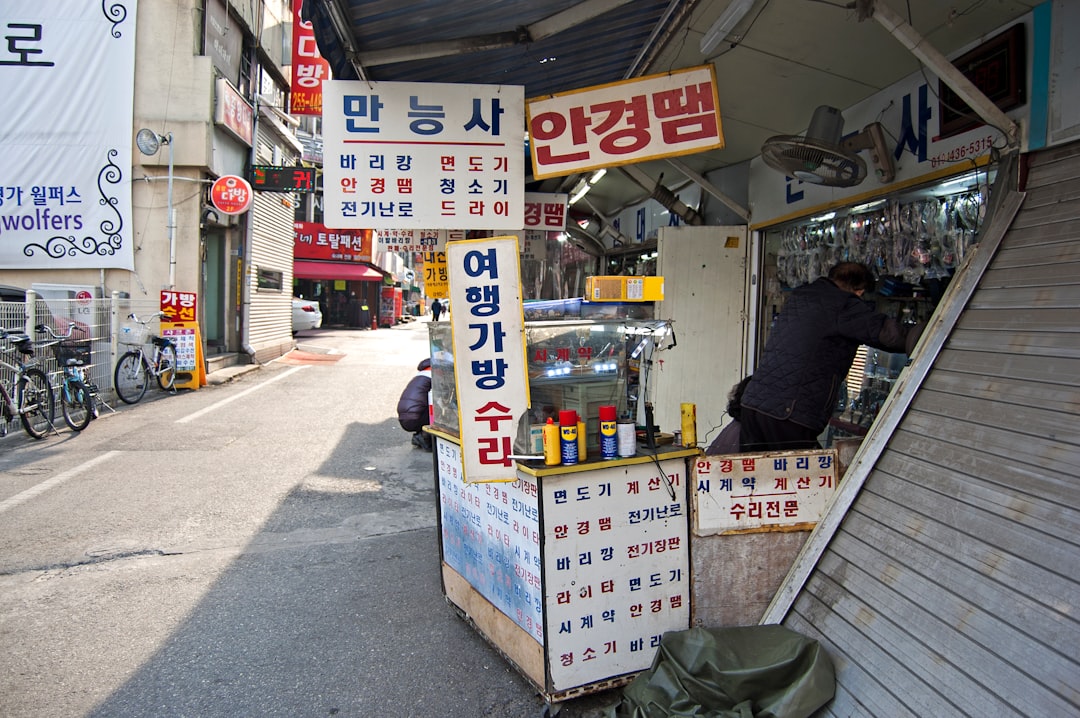
Don't skip Seoul's street food scene. It's not just delicious; it’s incredibly affordable and an experience in itself. Myeongdong used to be the street food mecca, but honestly, it's become a bit overpriced and touristy.
Instead, head to these spots for the best bang for your buck:
- Gwangjang Market (Jongno 5-ga Station, Line 1, Exit 8): This is my absolute favorite. You'll find a dizzying array of classic Korean dishes. Try bindaetteok (mung bean pancake) for ₩5,000-₩8,000 ($4-$6 USD), mayak kimbap (addictive mini kimbap) for ₩4,000-₩5,000 ($3-$4 USD), or a hearty bowl of kal-guksu (handmade noodle soup) for ₩7,000-₩8,000 ($5-$6 USD). The atmosphere is buzzing!
- Namdaemun Market (Hoehyeon Station, Line 4, Exit 5): Similar to Gwangjang but perhaps less overwhelming. Great for hotteok (sweet pancake) at ₩1,500-₩2,000 ($1.15-$1.50 USD) and various skewers.
- Hongdae & Ewha University Street Food: These areas have smaller, more scattered street food stalls, but they cater to students so prices are low. Look for tteokbokki (spicy rice cakes), odeng (fish cakes), and gimmari (fried seaweed rolls). A plate of tteokbokki is usually ₩3,000-₩5,000 ($2.30-$4 USD).
Local Eateries & Convenience Stores
For sit-down meals, seek out kimbap cheonguk (김밥천국 - Kimbap Heaven) or similar small diners. They have extensive menus with dishes like kimbap (seaweed rice rolls, ₩3,000-₩5,000), ramyeon (instant noodles, ₩3,000-₩4,000), bibimbap (mixed rice, ₩6,000-₩8,000), and kimchi jjigae (kimchi stew, ₩7,000-₩9,000). You'll eat like a local, fast and cheap.
Convenience stores (CU, GS25, 7-Eleven) are also your best friend for breakfast or late-night snacks. Grab a triangular kimbap (₩1,000-₩1,500), a cup of instant noodles (₩1,000-₩2,000), or fresh fruit. They often have microwave ovens and hot water dispensers for free use. This can easily keep your daily food budget under ₩25,000 ($19 USD).
Budget Meal Comparison
Here's a quick look at how far your won can go:
| Meal Type | Example Dishes | Average Price (₩) | Average Price (USD) | Notes |
|---|---|---|---|---|
| Street Food | Tteokbokki, Odeng, Hotteok, Mini Kimbap | ₩2,000 - ₩8,000 | $1.50 - $6 | Quick, delicious, great for snacking. |
| Kimbap Cheonguk | Kimbap, Ramyeon, Bibimbap, Kimchi Jjigae | ₩3,000 - ₩9,000 | $2.30 - $7 | Sit-down, extensive menu, fast service. |
| Convenience Store | Triangular Kimbap, Instant Noodles, Sandwich | ₩1,000 - ₩5,000 | $0.75 - $4 | Best for breakfast, late-night, or quick bites. |
| Cafes | Americano, simple pastry | ₩4,000 - ₩7,000 | $3 - $5.50 | Good for a break, but can add up. Stick to water. |
Navigating Seoul for Less: Transport Tips
Transportation in Seoul is incredibly efficient and, thankfully, quite affordable, making it perfect for Seoul budget travel. The subway system is vast, clean, and easy to navigate, even for first-timers. Buses are also excellent but require a bit more understanding of routes.
Honestly, walking is your best friend. Many neighborhoods are highly walkable, and you'll discover so much more on foot. But for longer distances, the subway is king.
The Mighty T-Money Card
First things first: get a T-Money card immediately. You can buy one at any convenience store for ₩2,500-₩4,000 (approx. $1.90-$3 USD). Load it with money – I'd recommend starting with ₩10,000-₩20,000 ($7.50-$15 USD). You can top it up at subway stations or convenience stores.
A single subway ride costs ₩1,250-₩1,450 (approx. $0.95-$1.10 USD) depending on distance. With a T-Money card, you get free transfers between subway lines and buses within a certain time frame (usually 30 minutes). This is a huge money-saver. Don't even think about buying single-use tickets; they're slightly more expensive and a hassle.
Subway vs. Bus
- Subway: Faster for longer distances, clearly marked in English, and avoids traffic. My go-to for crossing the city.
- Bus: Great for shorter distances or reaching areas not directly served by the subway. They're also cheaper if you're making a short trip. Use apps like Naver Map or KakaoMap to navigate bus routes; they're essential.
A typical day using public transport might cost you ₩5,000-₩7,000 ($4-$5.50 USD) for 3-4 rides. Walking whenever possible saves even more. Avoid taxis unless absolutely necessary – they can quickly eat into your budget.
Free & Cheap Activities: Exploring Seoul Without Spending
This is where you truly stretch your Seoul budget travel dollars. Seoul has an incredible number of free and low-cost attractions that offer deep cultural immersion and stunning sights. You don't need expensive tours or fancy tickets to experience the city's essence.
Honestly, some of my favorite Seoul memories come from just wandering around and soaking in the atmosphere. The city itself is a living museum.
Embrace the Outdoors & Culture
- Han River Parks: There are several along the Han River, like Yeouido Hangang Park (Yeouinaru Station, Line 5, Exit 2). Pack a picnic from a convenience store (instant ramen, kimbap, beer!) and enjoy the views. Free concerts and events often happen here. It's a fantastic place to relax and people-watch. Check the Visit Seoul website for events.
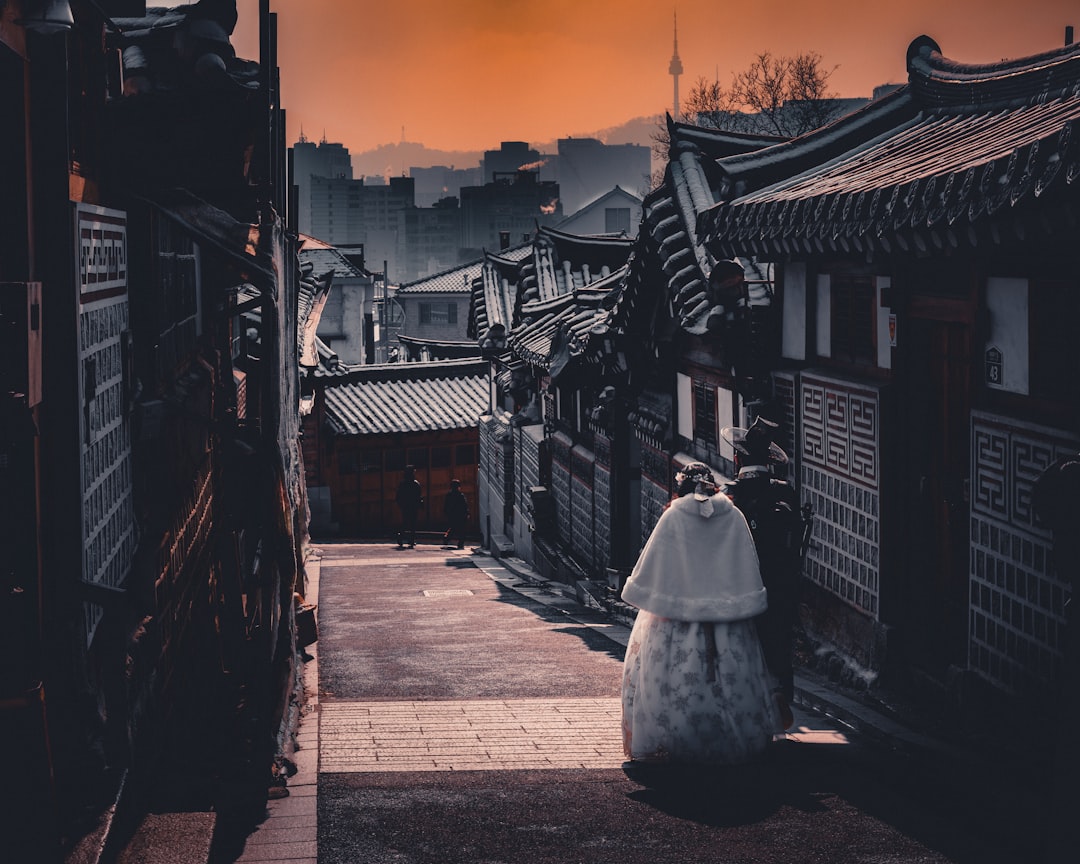
- Palace Grounds: While entrance to the main palace buildings usually costs ₩3,000 ($2.30 USD), walking around the vast grounds and seeing the exteriors is often free or very cheap. Gyeongbokgung Palace (Gyeongbokgung Station, Line 3, Exit 5) is the grandest. If you wear a hanbok (traditional Korean dress), admission to palaces is free! You can rent one for ₩10,000-₩20,000 for a few hours.
- Bukchon Hanok Village: (Anguk Station, Line 3, Exit 2) Wander through these charming traditional Korean houses. It's free to explore the narrow alleyways and enjoy panoramic views of the city juxtaposed with ancient architecture. Just remember it's a residential area, so be respectful and keep noise down.
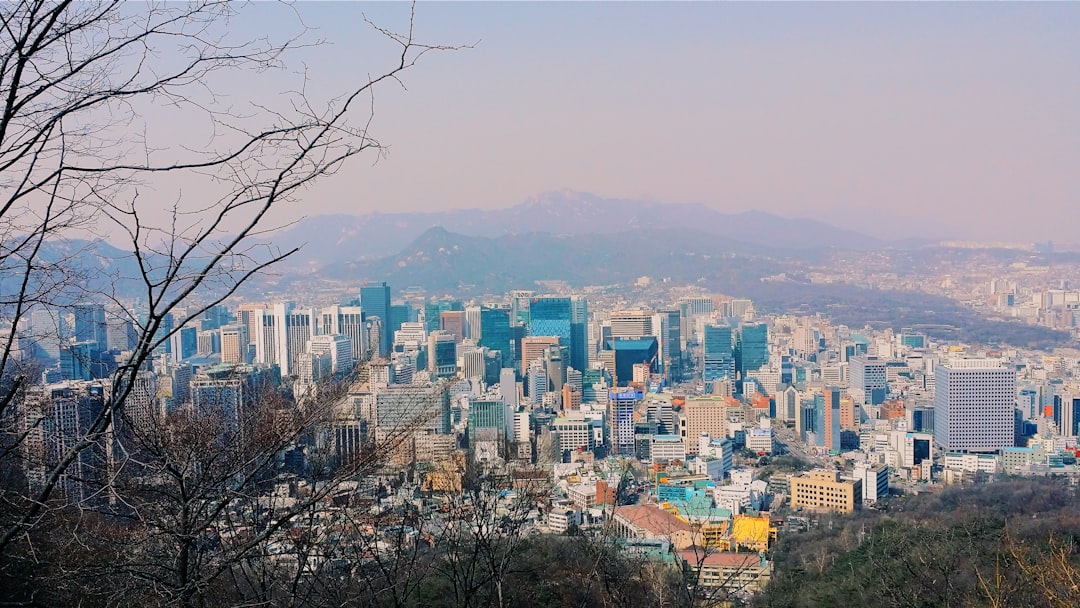
- Namsan Park & Seoul Namsan Tower (Base): (Myeongdong Station, Line 4, Exit 3, then a 15-20 min walk to the cable car or shuttle bus stop). You can hike up Namsan Mountain for free instead of taking the cable car. Enjoy the views from the base of N Seoul Tower without paying the observatory fee. The hike is beautiful, offering great city vistas.
- Seoullo 7017: A revitalized overpass transformed into a pedestrian walkway. It offers great urban views and often has free public art installations. Starts near Seoul Station.
- Museums on Free Days: Many national museums, like the National Museum of Korea (Ichon Station, Line 4/Jungang Line, Exit 2) and the War Memorial of Korea (Samgakji Station, Line 4/6, Exit 12), have free permanent exhibitions. Check their websites for temporary exhibition fees and opening hours.
Low-Cost Entertainment
- Jjimjilbang (Korean Spa): A true local experience for a relatively low price. Expect to pay ₩10,000-₩15,000 (approx. $7.50-$11.50 USD) for entrance. You can spend hours (or even a night!) enjoying the saunas, hot tubs, and communal resting areas. Silloam Sauna (Chungjeongno Station, Line 2/5, Exit 5) is a popular, large option.
- Noraebang (Karaoke Room): Gather a few friends and split the cost of a private singing room. An hour typically costs ₩10,000-₩20,000 ($7.50-$15 USD), so it's super cheap per person.
- PC Bang (Gaming Cafe): For gamers or if you just need fast internet, PC bangs are amazing. Pay by the hour (₩1,000-₩2,000 per hour, $0.75-$1.50 USD), grab a cheap drink, and enjoy lightning-fast internet and top-tier gaming setups.
TwinRabbit Hostel: Your Budget Home Base
Since we're talking about staying in the best budget areas, I have to mention TwinRabbit Hostel. If you're looking for a solid base in a fantastic neighborhood, particularly the Hongdae/Yeonnam-dong area, this place is a genuinely great option.
It's located right in the heart of the action, close to Hongik University Station (Line 2, Exit 3), which makes exploring Seoul super easy. They offer clean, comfortable dorms and private rooms, and the staff are always friendly and helpful. It perfectly fits the vibe of Seoul budget travel.
I've had friends stay there and they consistently rave about its cleanliness and convenient location. Plus, being in Yeonnam-dong means you're surrounded by amazing local cafes and affordable eateries, which is ideal for sticking to your daily budget. It's a prime example of quality budget accommodation in Mapo-gu. You can find more info on their site or booking platforms.
Pro Tips for the Savvy Seoul Traveler
Here are some insider tips that will help you maximize your Seoul budget travel experience and keep that daily spend under $50:
- Download Naver Map or KakaoMap: Google Maps isn't reliable for public transport in Korea. These local apps are essential for navigating the subway and bus system, showing exact timings and routes. Trust me, they're a lifesaver.
- Carry a Reusable Water Bottle: Tap water is safe to drink in Seoul, and there are public water fountains in parks and subway stations. Refilling saves you from buying bottled water, which can add up.
- Look for Lunch Specials: Many restaurants offer cheaper lunch sets (jeongshik) between 12 PM and 2 PM. This is a great way to try more expensive dishes for less.
- Embrace "Happy Hour" at Cafes: Some smaller cafes, especially in student areas, offer discounts on coffee or pastries in the late afternoon. Keep an eye out for signs!
- Shop at Local Markets: For souvenirs or snacks, traditional markets like Gwangjang or Namdaemun often have better prices than tourist-focused shops in Myeongdong or Insadong. Haggling isn't common, but prices are fair.
Frequently Asked Questions
Q: Is Seoul an expensive city to visit for tourists?
Honestly, Seoul can be as expensive or as cheap as you make it. While luxury hotels and high-end dining certainly exist, it's very possible to enjoy the city on a tight budget by choosing hostels, eating street food, utilizing public transport, and enjoying free cultural activities. It all depends on your travel style and planning.
Q: How much should I budget for a 3-day trip to Seoul?
For 3 days of Seoul budget travel following the under-$50/day rule, you should aim for a total budget of around $150 USD (approx. ₩200,000). This covers basic accommodation, food, and transport, leaving a small buffer for an occasional treat or attraction entry fee. Airfare and visa costs are extra, of course.
Q: What are the best free things to do in Seoul?
Seoul offers a wealth of free attractions! My favorites include exploring Bukchon Hanok Village, hiking in Namsan Park, relaxing by the Han River, wandering through Gwangjang Market, visiting the permanent exhibitions at the National Museum of Korea, and strolling along Seoullo 7017 for city views.
Q: How can I save money on food while traveling in Seoul?
To save money on food, prioritize street food from markets like Gwangjang or Namdaemun, eat at local kimbap cheonguk diners, and make use of convenience stores for breakfast and snacks. Avoid sit-down restaurants in major tourist areas and cook simple meals if your accommodation has a communal kitchen.
Q: Is it safe to travel solo in Seoul on a budget?
Yes, Seoul is incredibly safe for solo travelers, even on a budget. Crime rates are very low, and public transport runs late into the night. Locals are generally helpful, though language can sometimes be a barrier. As with any city, exercise common sense, but you'll feel very secure exploring Seoul alone.
Wrapping Up Your Seoul Budget Travel Adventure
See? Seoul budget travel isn't just possible; it's an incredibly rewarding way to experience the city like a local. By being smart about where you sleep, what you eat, and how you get around, you can have an unforgettable trip without draining your bank account. Go forth and explore!